
+974 70433669
[email protected]
facebook
twitter
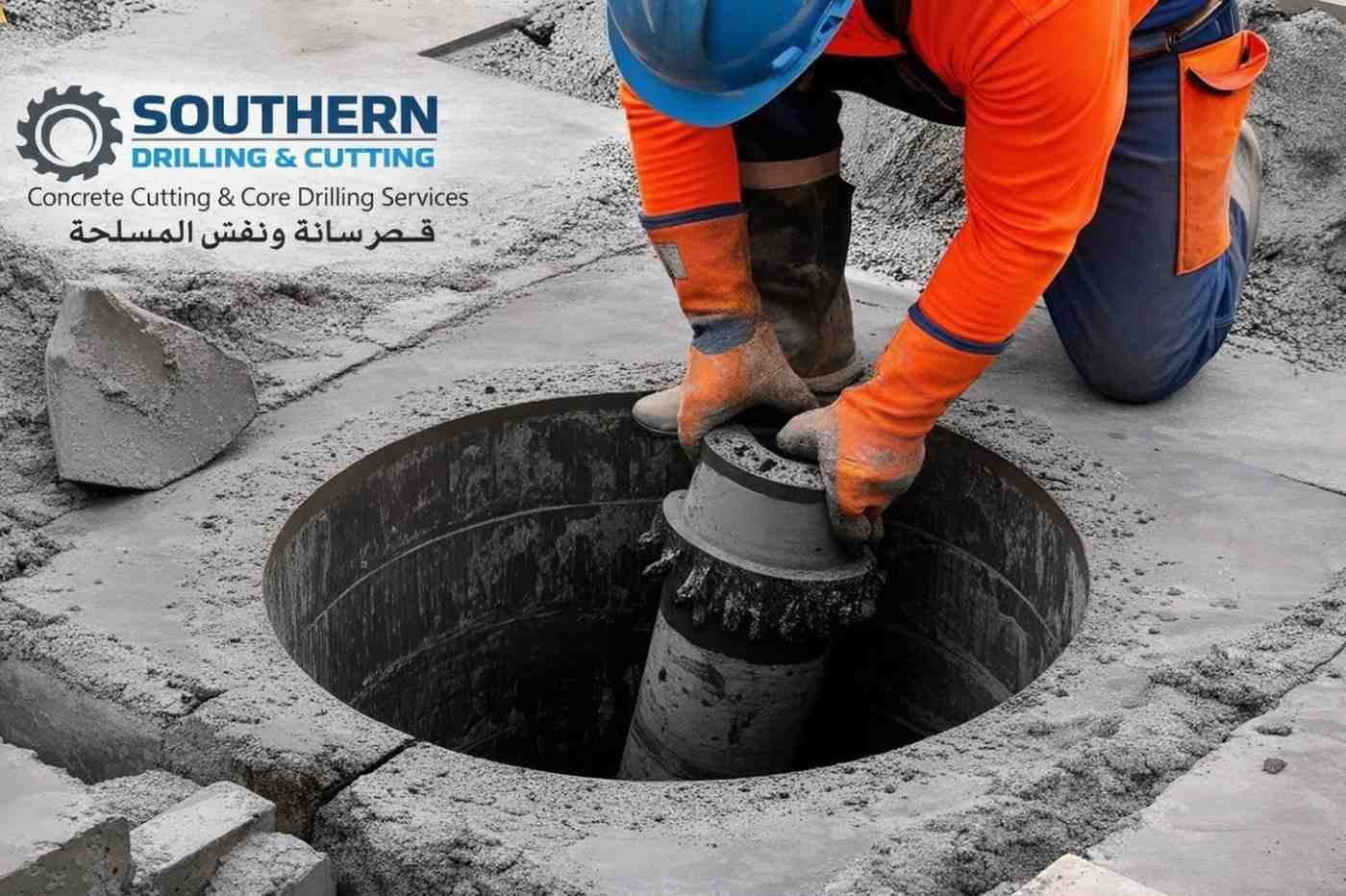
In modern construction projects across Qatar, core drilling plays a critical role in ensuring precision and structural safety. While it may appear to be a routine task, even small mistakes during drilling can lead to serious structural damage, safety risks, and costly repairs. Understanding these common mistakes is essential for maintaining long-term durability and project success.
Core drilling is not just about creating openings in concrete — it directly impacts the strength and stability of the structure. Without proper planning and execution, these errors can affect the entire construction process.
Working with experienced drilling contractors in Qatar ensures that drilling operations are performed with accuracy, safety, and compliance with engineering standards.
One of the most common mistakes is drilling without analyzing the structural layout. Concrete structures often contain hidden load-bearing elements, and damaging them can weaken the structure, cause cracks, and reduce its lifespan.
Precision is essential in core drilling. Even slight misalignment can lead to improper installations, structural imbalance, and additional corrective work that increases project costs.
Using the wrong tools for drilling can cause excessive vibration, uneven holes, and surface damage. Professional contractors use advanced diamond drilling equipment to ensure clean and accurate results.
Reinforced concrete includes steel bars that provide structural strength. Drilling without identifying these reinforcements can weaken the structure and increase the risk of failure.
High vibration levels can create micro-cracks in concrete that may not be visible immediately but can worsen over time, especially in high-rise buildings and infrastructure projects.
Core drilling generates heat and dust, which must be controlled properly. Without proper management, this can affect efficiency, damage surfaces, and create unsafe working conditions.
Core drilling requires technical expertise. Unskilled handling can lead to incorrect drilling speed, pressure, and positioning, increasing the risk of structural damage.
Core drilling is a precision-driven process that directly impacts the strength and safety of a structure. Avoiding these common mistakes ensures long-term durability, reduced risks, and successful project completion. Choosing experienced professionals is key to achieving reliable and efficient results.

